Digital Design / Hardware
From Foundations to Industry-Ready RTL Engineer
A career-ready diploma with manual project review. Foundations → RTL → STA / CDC / Power → Synthesis & FPGA. Hands-on labs, portfolio project, verified certificate.
🎯 Why this diploma is worth it
Not a watch-and-forget course — a complete technical reference that lives with you
You get the videos, materials, quizzes, exams and projects — a solid, always-updated reference for every technology in the diploma. You won't need another source.
Lifetime reference + yearly updates
Come back anytime — at work, in interviews, in projects. Refreshed every year so it stays up to date.
Everything in one place
Deep-dive videos + materials + quizzes + exams for every part — a complete curriculum, not just lectures.
Learn at your own pace
Fully recorded. Finish on your schedule, complete a part each month, and progress step by step.
Real projects on GitHub
0+ hands-on projects you submit and push to a GitHub repo — building a portfolio that convinces any employer.
Manual review + industry instructors
Your projects are reviewed by hand, taught by instructors working in the industry — real feedback that levels you up.
Verified certificate + training letter
A QR-verifiable certificate + an Arabic/English training letter that convinces HR — ready for jobs and college.
4Learning outcomes
0Tools & tech
0Hands-on projects
★ 4.9Avg student rating
What you will learn
- ✅ Understand digital design foundations
- ✅ Write clean RTL using Verilog
- ✅ Build effective testbenches
- ✅ Work with STA, CDC, power, and synthesis topics
Sample videos from the course
Tap any sample to load it in the player below — all sourced from the official YouTube playlist.
Curriculum & units
📚 20 units
🪜 72 steps
⏱️ Flexible
Phase 1: Digital Design Foundations 4 topics · Flexible pace
- Number Systems & Binary
- Boolean Algebra & Logic Gates
- Combinational Circuits
- Karnaugh Maps & Simplification
Phase 2: Combinational Logic 4 topics · Flexible pace
- Multiplexers & Decoders
- Encoders & Comparators
- Arithmetic Circuits (Adders, Subtractors)
- ALU Design
Phase 3: Flip-Flops & Counters 4 topics · Flexible pace
- SR/D/JK/T Flip-Flops
- Registers & Shift Registers
- Counters (Ripple, Synchronous)
- Sequence Generators
Phase 4: Verilog HDL - Basics 4 topics · Flexible pace
- Verilog Syntax & Data Types
- Gate-Level Modeling
- Dataflow Modeling (assign)
- Behavioral Modeling (always blocks)
Phase 5: Verilog HDL - Advanced 4 topics · Flexible pace
- Task & Function
- Parameterized Modules
- Generate Statements
- Testbenches & Simulation
Phase 6: RTL Design 4 topics · Flexible pace
- RTL Coding Guidelines
- FSM Design (Moore/Mealy)
- Pipelining Concepts
- RTL Verification
Phase 7: FPGA Architecture 4 topics · Flexible pace
- FPGA vs ASIC
- LUTs, Flip-Flops & Routing
- Block RAM & DSP Blocks
- Clock Regions & I/O
Phase 8: STA (Static Timing Analysis) 4 topics · Flexible pace
- Setup & Hold Time
- Clock Tree Synthesis
- Timing Constraints
- Timing Closure Techniques
Phase 9: CDC (Clock Domain Crossing) 3 topics · Flexible pace
- Synchronizers & FIFOs
- MCP & Handshake Protocols
- CDC Verification Methodology
Phase 10: Power Analysis 3 topics · Flexible pace
- Dynamic & Static Power
- Clock Gating & Power Modes
- Low-Power Design Techniques
Phase 11: Logic Synthesis 4 topics · Flexible pace
- HDL to Netlist Flow
- Optimization Techniques
- Design Constraints (SDC)
- Synthesis Reports Analysis
Phase 12: FPGA Implementation 4 topics · Flexible pace
- Place & Route
- Bitstream Generation
- Timing Analysis on FPGA
- On-chip Debugging
Phase 13: Memory Design 3 topics · Flexible pace
- SRAM & DRAM Design
- Memory Controllers
- Cache Architecture
Phase 14: Bus Protocols 4 topics · Flexible pace
- APB Protocol
- AHB Protocol
- AXI Protocol
- Protocol Verification
Phase 15: Design for Test (DFT) 3 topics · Flexible pace
- Scan Chains
- BIST & MBIST
- ATPG & Fault Models
Phase 16: SystemVerilog Basics 4 topics · Flexible pace
- SystemVerilog Data Types
- Classes & Interfaces
- Assertions (SVA)
- UVM Introduction
Phase 17: Practical Projects 3 topics · Flexible pace
- UART Controller Design
- SPI Controller Design
- Simple Processor Design
Phase 18: Advanced Project 3 topics · Flexible pace
- SOC Integration Project
- Multi-clock Domain Design
- Performance Optimization
Phase 19: IC Industry 3 topics · Flexible pace
- IC Design Flow Overview
- Physical Design Basics
- Tapeout Process
Phase 20: Graduation Project 3 topics · Flexible pace
- Capstone Project Planning
- Implementation & Verification
- Final Presentation
Projects you will build
Tools & platforms
Target audience
- Electronics and communications students/grads
- Learners targeting RTL/FPGA/ASIC tracks
- Software engineers pivoting to hardware design
Career paths
What you receive after finishing
Verification-ready certificates and HR-friendly training letters.
Verified Certificate
Official Learn in Depth completion certificate with QR verification.
Verifiable on the public verification page.
English Training Letter
For international companies and overseas employment.
On official Learn in Depth letterhead, signed by the instructor.
Arabic Training Letter
For local employers in MENA and university coordination.
Bilingual stamped letter ready for HR submission.
Company-Stamped Certificate
Company-stamped, for academic credit. Request it by contacting +20 155 876 5064 via WhatsApp or phone.
Issued upon request after successful completion.
Course FAQ
Why is the diploma online, not offline? ليه الدبلومة Online مش Offline؟
3 reasons: a reference you keep for projects and interviews, professional instructors working in the industry, and deep content spanning months (≈ 8 hrs/week)
3 أسباب: مرجع يعيش معاك في المشاريع والمقابلات، محاضرين بروفيشنال شغالين في السوق، ومحتوى عميق يمتد شهور (≈ 8 ساعات/أسبوع)
Is the certificate verified? هل الشهادة معتمدة؟
Yes, Verified Certificate with a public verification URL linked to your email. University certificates can also be requested.
أيوة، Verified Certificate مع رابط تحقق عام مرتبط بإيميلك. ويمكن طلب شهادة للكلية.
What is the expected duration? إيه المدة المتوقعة؟
About 8 hours/week on average. Duration is flexible based on your pace.
8 ساعات/أسبوع في المتوسط. المدة مرنة حسب سرعتك.
What are the prerequisites? المتطلبات المسبقة إيه؟
Basic C programming (for technical diplomas), Windows computer, internet for initial download.
أساسيات برمجة C (للدبلومات التقنية)، كمبيوتر Windows، إنترنت للتحميل الأولي.
Is there a student discount? في خصم طلاب؟
Yes — 50% student discount for verified university students.
أيوة، خصم 50% للطلاب الجامعيين.
Are installments available? في تقسيط؟
Yes — installments up to 24 months are available.
أيوة، تقسيط حتى 24 شهر — ادفع شهري مرن.
Is there a Palestine offer? هل في عرض لفلسطين؟
Yes — 100% free for Palestinian students.
أيوة، مجاناً 100% للأشقاء الفلسطينيين.
How do I reset my device if I changed my phone or computer? لو غيّرت الجهاز (موبايل أو كمبيوتر)، إزاي أعمل reset؟
Send a WhatsApp message to +201558765064 saying: "I need to reset my device ID" along with your email. We'll reset the old device and you can immediately access on the new one.
ابعت رسالة على واتساب +201558765064 وقول: "عايز أعمل reset لل ID بتاعي" واكتب الإيميل بتاعك. هنعمل Reset للجهاز القديم وتقدر تفتح على الجهاز الجديد فوراً.
How do I register? إزاي أسجل في الكورس؟
Create your account, add the course to cart, and follow the payment steps.
سجل حسابك وأضف الكورس للسلة واتبع خطوات الدفع.
Is there a student discount? هل في خصم للطلبة؟
Yes — students get an automatic discount shown at checkout.
أيوه — الطلبة ليهم خصم خاص بيظهر أوتوماتيك.
Are courses recorded or live? هل الكورسات مسجلة ولا لايف؟
All courses are recorded so you can learn at your own pace.
كل الكورسات مسجلة عشان تتعلم في أي وقت يناسبك.
Are courses free for Palestine? هل فلسطين الكورسات مجانية؟
Yes — all courses are free for people from Palestine.
أيوه — كل الكورسات مجانية لأهل فلسطين.
What payment methods are available? إيه طرق الدفع المتاحة؟
Bank transfer, Vodafone Cash, InstaPay.
تحويل بنكي، فودافون كاش، إنستاباي.
Related courses
Embedded Systems
Embedded System In-Depth Diploma
From MCU foundations to Bare-Metal & RTOS mastery
1,500 EGP
3,000 EGP
50% Student Discount
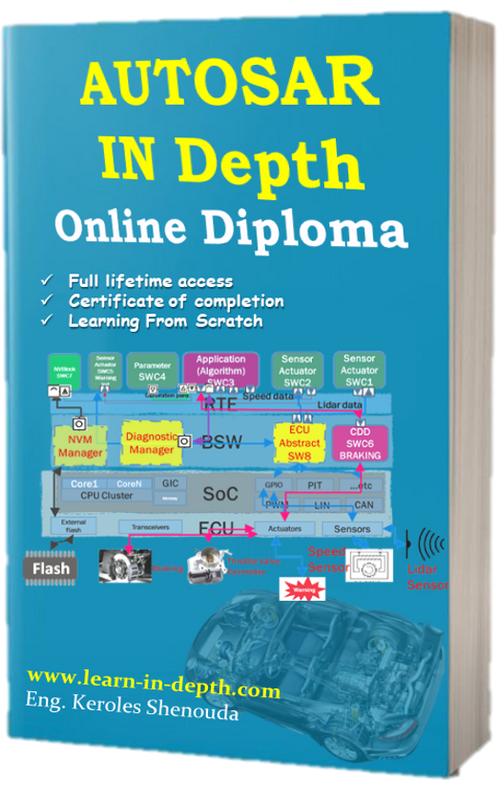
Automotive / AUTOSAR
AUTOSAR In-Depth Diploma
AUTOSAR Classic Platform — Configuration, BSW, RTE
2,400 EGP
4,800 EGP
50% Student Discount
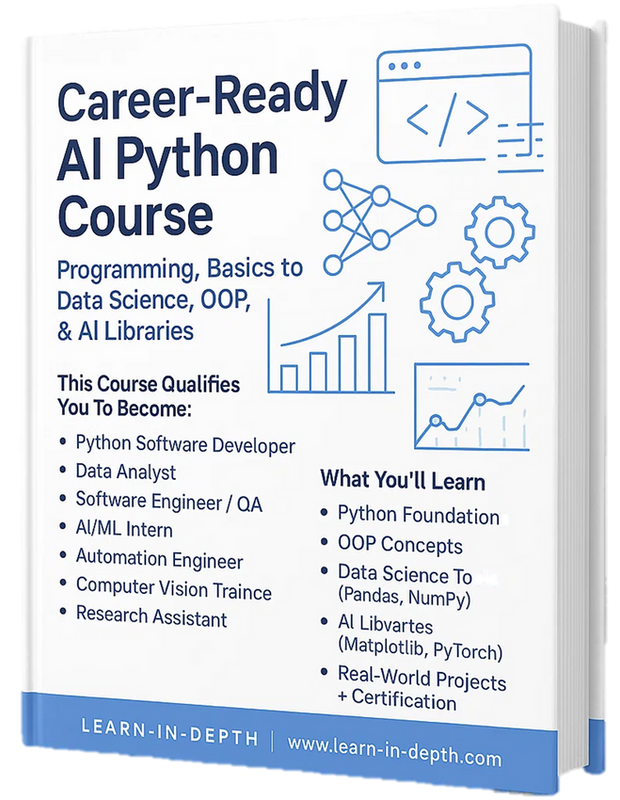
Programming
Master Python — Deep Learning & DevOps
Python for Deep Learning and DevOps in one track
750 EGP
1,500 EGP
50% Student Discount
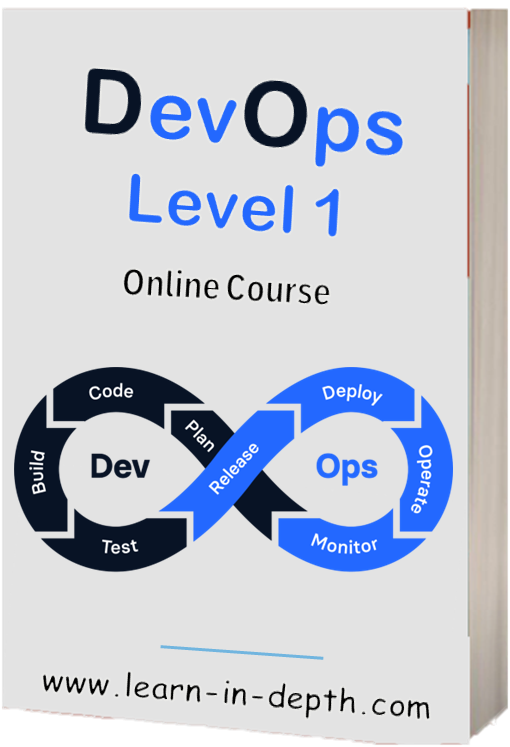
DevOps
DevOps Level 1 Diploma
Linux, Git, CI/CD, Docker — the solid DevOps foundation
2,000 EGP
4,000 EGP
50% Student Discount